5 Ways to Improve the Food Quality in Your Restaurant
In the restaurant industry, marketing might get people through the door once, but food quality is what keeps them coming back. In an era of instant Yelp reviews and Instagram foodies, “good enough” no longer cuts it. Consistency and excellence must be the baseline.
If you are looking to elevate your culinary game, here are five proven strategies to sharpen your standards and keep your tables full.
1. Master the Art of Sourcing
Great cooking begins long before the stove is turned on. You cannot produce a five-star meal with two-star ingredients.
- Go Local: Partnering with local farmers and purveyors ensures fresher produce and supports the community.
- Audit Your Vendors: Periodically review your suppliers. Are the tomatoes as vibrant as they were six months ago? If the quality has dipped, don’t be afraid to shop around.
2. Standardize Your Recipes (The “Consistency” Factor)
The biggest enemy of food quality is inconsistency. A guest who falls in love with your signature pasta on Tuesday should have the exact same experience when they return on Friday.
Standardized recipe cards are essential. These should include:
- Precise measurements (using weight is more accurate than volume).
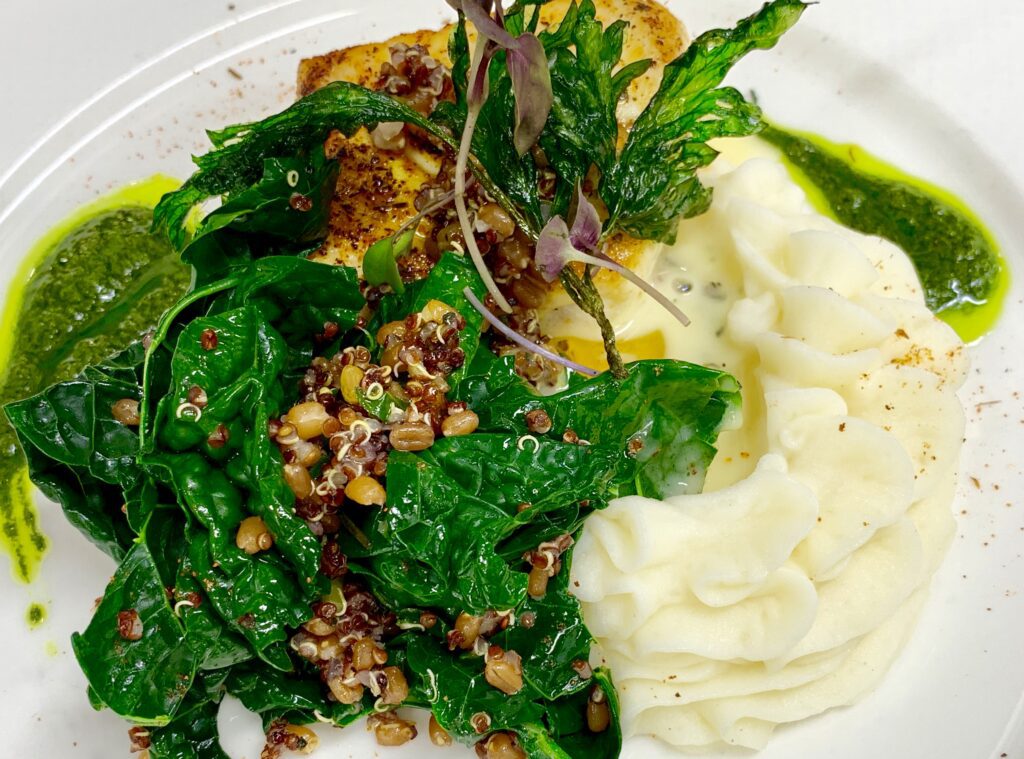
- High-resolution photos of the finished plating.
- Specific cooking temperatures and times.
3. Implement Rigorous Quality Control (QC)
Quality control isn’t just for factories; it’s for kitchens. Every dish that leaves the pass should be “expedited” by someone with a keen eye—usually the Head Chef or a dedicated expeditor.
Pro Tip: Create a “Taste Station.” Ensure chefs have a fresh supply of tasting spoons to check sauces and seasonings throughout the shift. If it isn’t seasoned perfectly, it doesn’t leave the kitchen.
4. Invest in the Right Equipment
Sometimes, “bad food” is actually the fault of “bad gear.” An oven with an uneven heating element or a dull knife that bruises herbs can sabotage even the best chef’s efforts.
- Calibration: Regularly calibrate thermometers and ovens.
- Maintenance: Ensure your refrigeration is holding steady at the correct temperature to maintain the integrity and safety of your proteins.
5. Prioritize Staff Training and Culture
You can have the best ingredients in the world, but if your line cooks aren’t passionate or well-trained, the quality will suffer. Food quality is a direct reflection of kitchen morale.
Invest in regular training sessions. Teach your team the why behind the techniques—why we sear the steak at a specific temperature or why we rest the meat. When a team understands the science and craft, they take more pride in the output.
The Bottom Line
Improving food quality isn’t about a single “magic” ingredient; it’s about a commitment to excellence across every touchpoint of your operation. By tightening your sourcing, enforcing consistency, and empowering your staff, you create a dining experience that speaks for itself. Schedule your One-Day Kitchen & Restaurant Audit today. Reach out to PSI Restaurant Consulting at (516) 761-6579 or phil@psirconsulting.com. Unlock the profits waiting in plain sight.